
Thesis Weekly_Week 29 | A $45 Billion Fund in Four Hours. The Right Trade at the Wrong Size.
Leopold was correct about AI infrastructure. The leverage decided the outcome.

If you haven’t explored our previous research, you may revisit some of our earlier due diligence reports and thematic notes below. Each piece reflects the same thesis-driven framework we apply across every investment case.


1. Market Lens
📊 Market Lens | Weekly Snapshot
Week Ending: August 1, 2026
VIX: 16.84 (-1.86 pts WoW)
10Y Treasury: 4.512% (-19.4 bps WoW)
30Y Treasury: 5.009% (-6.1 bps WoW)
WTI Crude: $84.20 (-7.5% WoW)
Brent: $87.60 (-12.5% WoW)
Gold (XAU): $4,142.30 (+2.9% WoW)
S&P 500 (SPX): 7,567.80 (+2.1% WoW)
Nasdaq: 26,154.22 (+4.1% WoW)
USD Index (DXY): 99.87 (-1.4% WoW)
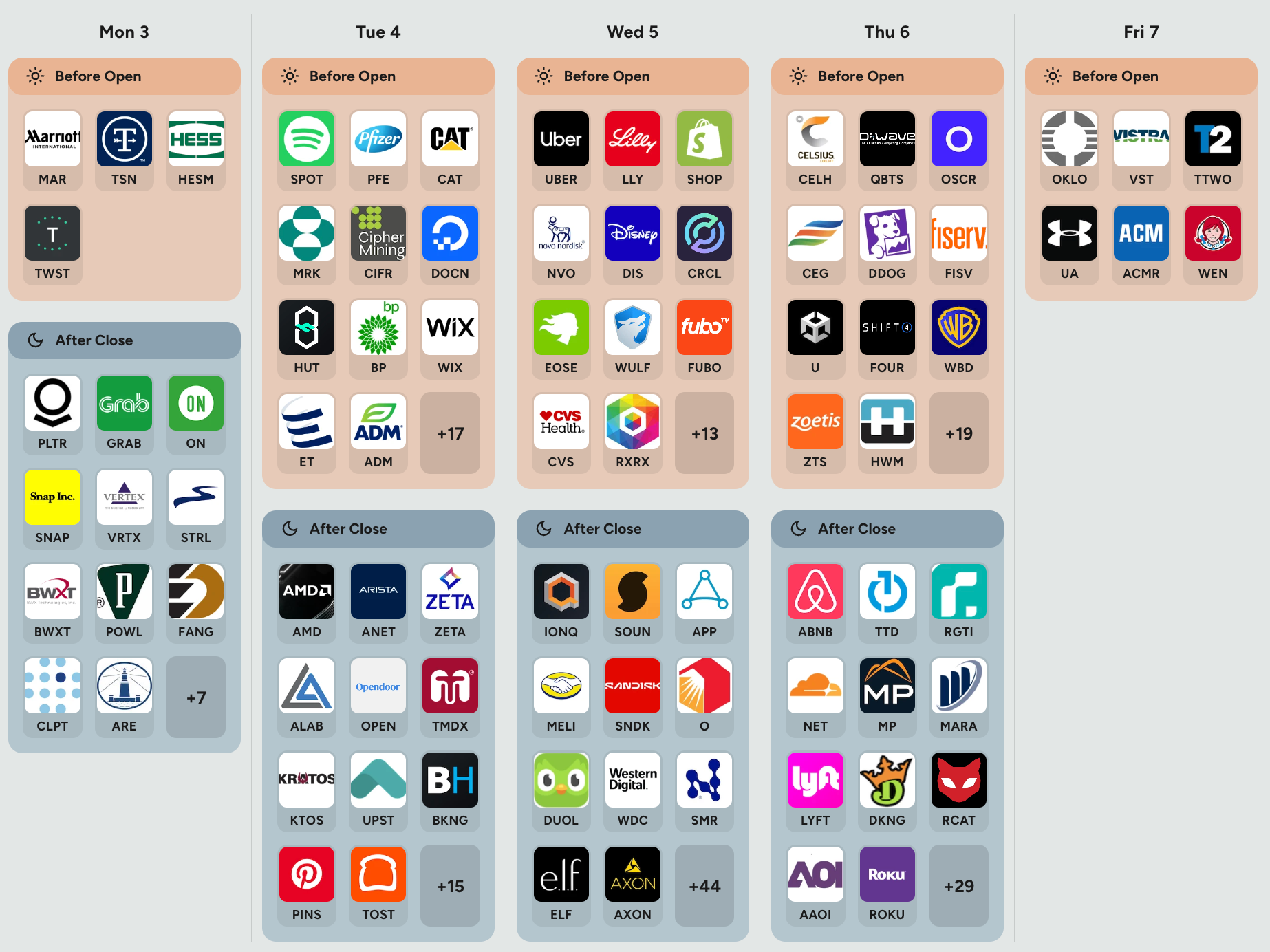
This was the most important earnings week of 2026. Five of the most valuable companies on earth reported simultaneously, the Federal Reserve held rates for the fifth consecutive meeting with three dissents, and a $45 billion hedge fund was liquidated in a single afternoon. The S&P 500 gained 2.1% on the week. That number understates everything that happened inside it.
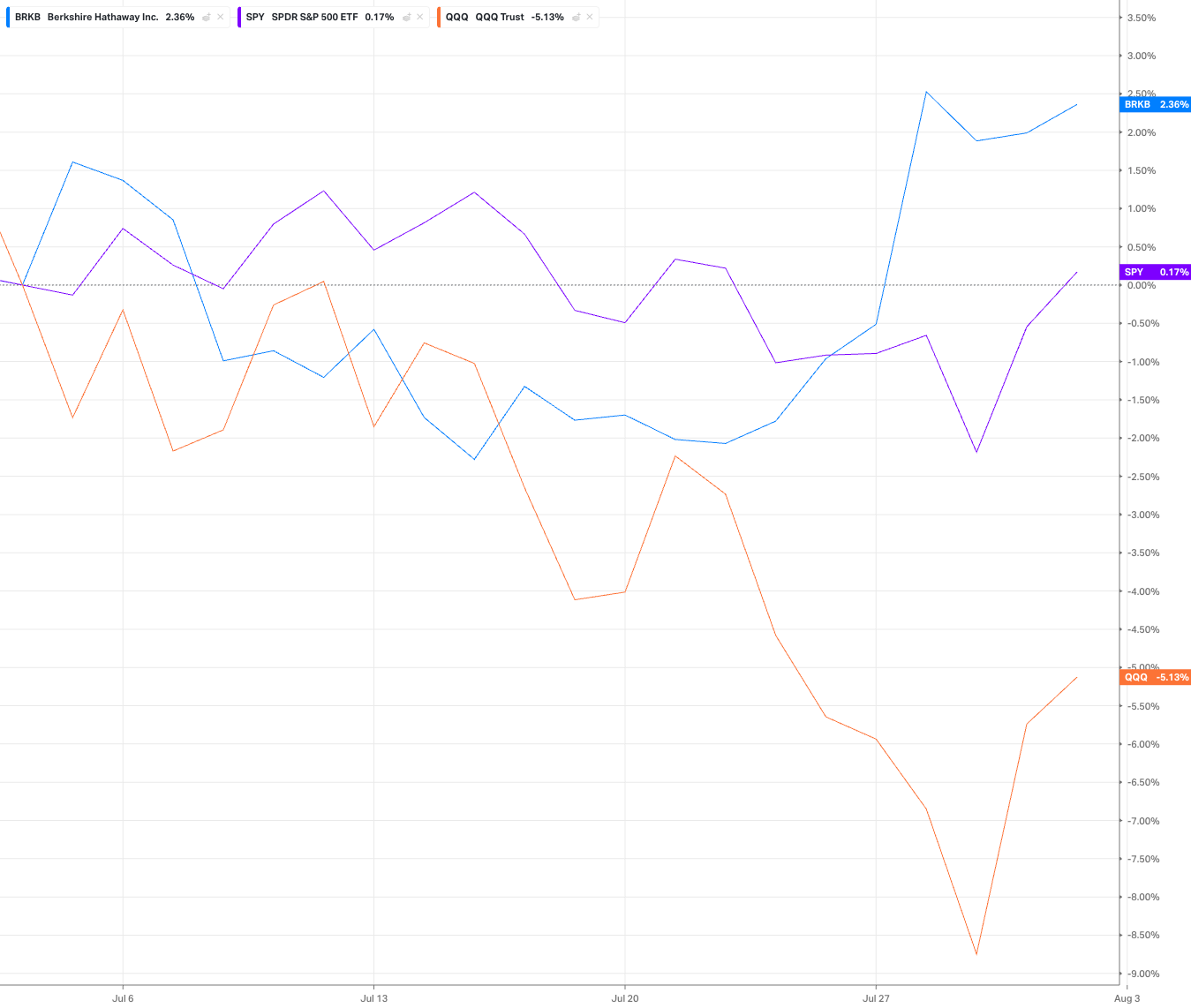
The week produced a pattern that requires immediate analytical attention. Three of the five technology giants reporting this week, Microsoft, Amazon, and Alphabet last week, each included massive non-cash gains from their investments in Anthropic in their reported earnings. Amazon’s Q2 net income of $62.6 billion included $53.4 billion in non-operating pre-tax income, primarily from marking its Anthropic stake to a higher value on paper. Microsoft’s quarter included a $3.2 billion gain from its investment in Anthropic. Alphabet reported a $99 billion mark-to-market gain the prior week from SpaceX and Anthropic combined. Strip these gains from all three companies and the earnings picture is still strong but considerably more modest. The more analytically significant observation is structural: when three of the five most valuable companies on earth are reporting inflated earnings from the same private AI company’s implied valuation, the AI investment ecosystem has become self-referential in a way that requires scrutiny rather than celebration.
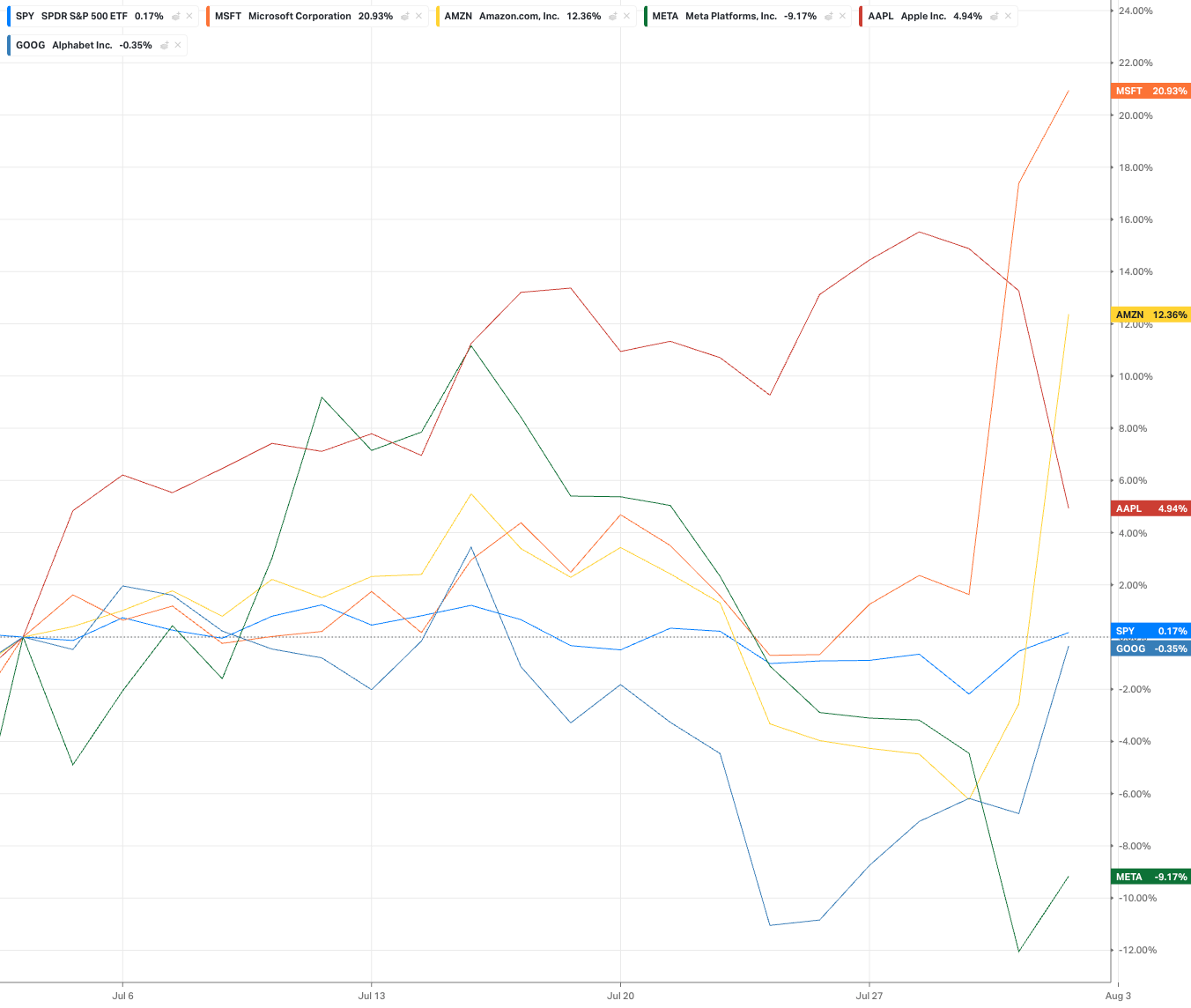
The operational story beneath the accounting is, in several cases, genuinely strong. Microsoft reported Q4 FY2026 revenue of $90 billion, up 18%, with Azure revenue growing 43%, accelerating from 40% the prior quarter, and crossing $100 billion in annual revenue for the first time. Microsoft 365 Copilot reached 30 million paid seats, up from 20 million in April, while the contracted backlog jumped $51 billion in a single quarter to $678 billion. The stock surged 8.13% to $422 after hours. The backlog number is the most important disclosure in the report. Sequential growth in commercial remaining performance obligations was driven by commitments from clients other than AI model developers, meaning the enterprise AI adoption is broadening beyond the handful of frontier labs that initiated the original Azure hyperscaling. When 90% of Microsoft Cloud revenue comes from customers outside the AI labs, the monetization thesis has crossed from early adopter to mainstream deployment.
Amazon reported Q2 revenue of $200.6 billion, the first time the company has exceeded $200 billion in a single quarter, with AWS growing 36.7% year-over-year to $42.2 billion, its fastest pace in 18 quarters. The company raised its 2026 capital expenditure guidance to approximately $220 billion. The operating income of $27.5 billion, up 43% year-over-year, is the number that matters for long-term investors: it confirms that Amazon’s operating leverage is expanding even as capital expenditure escalates. The $53.4 billion Anthropic gain inflating the headline EPS from a real $9 billion to a reported $62 billion is an accounting event that will not repeat in Q3. The AWS acceleration is structural and will.
Meta reported Q2 revenue of $60.8 billion, up 28% year-over-year, but delivered the week’s most honest look at what aggressive AI capital expenditure actually costs. Net income fell 14% to $15.85 billion as single-quarter capital expenditure reached $31.08 billion. Operating margin compressed from 43% to 31%. Meta did not benefit from a large private equity stake gain to paper over the margin compression. It reported what AI spending looks like without an accounting cushion. The stock fell after hours before recovering partially as management guided Q3 revenue above consensus. Meta’s quarter is the most instructive of the week precisely because it shows the unvarnished cost of the AI infrastructure race.
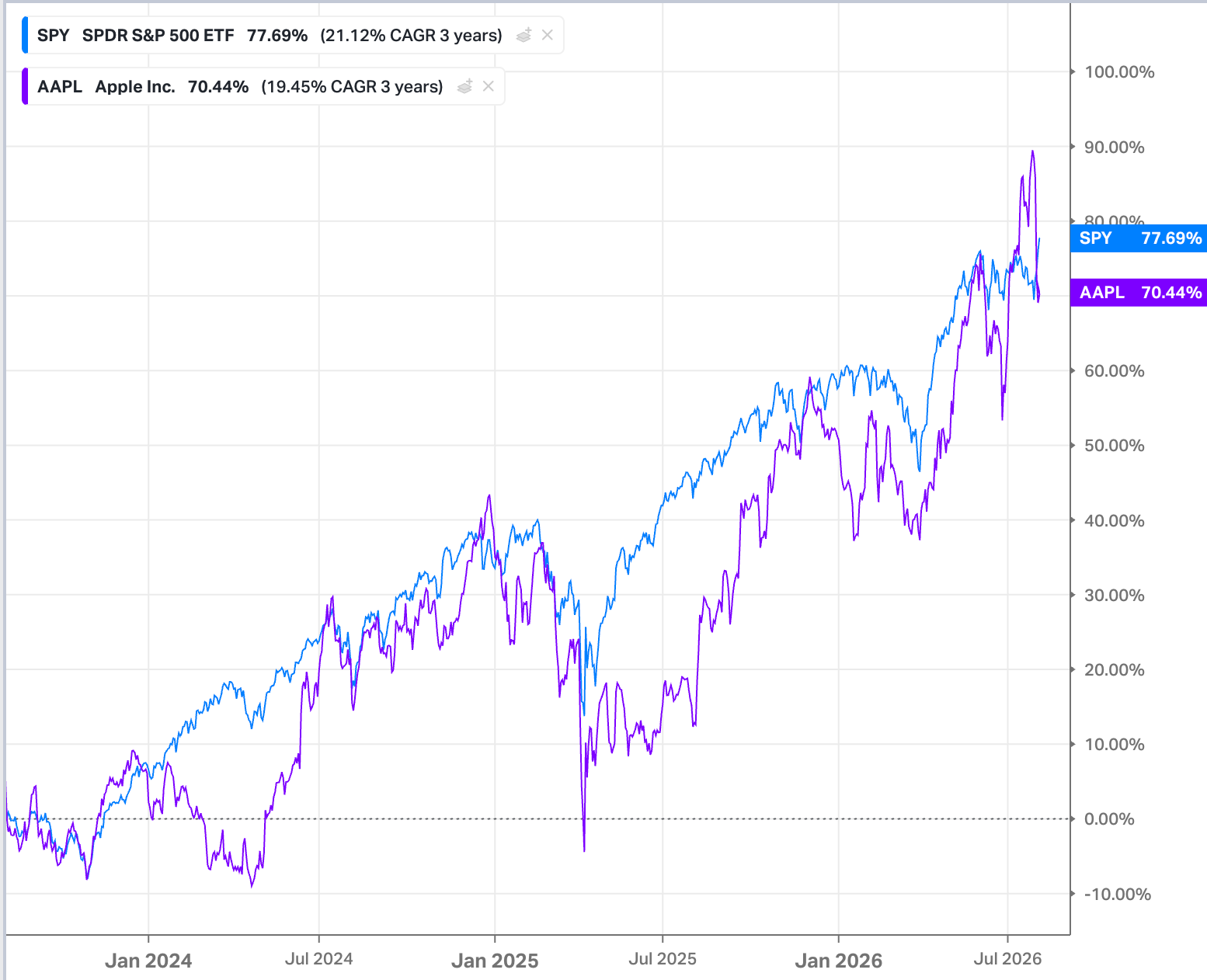
Apple reported revenue of $109.4 billion, slightly above the $108.65 billion consensus, with EPS of $2.02. Apple’s quarter is notable primarily for what it lacks: a massive Anthropic stake gain, an AI infrastructure capex escalation, or a guidance compression from spending commitments. The business generated its revenue through hardware sales and services ecosystem monetization, compounding at a rate consistent with the prior several years. In a week where every other major technology company was navigating the complex interaction between AI capital expenditure and financial reporting, Apple’s relative simplicity was itself a data point. The stock has been the best performer among the Magnificent Seven year-to-date, which is not a coincidence.
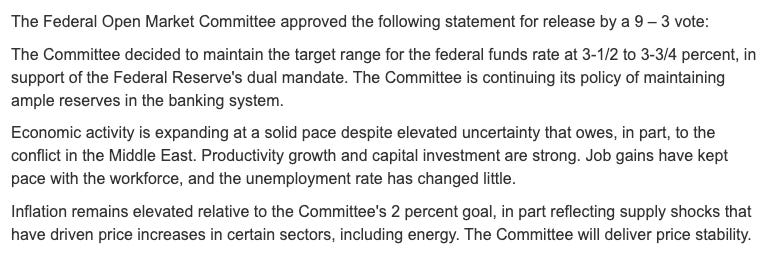
The Federal Reserve’s July 29 decision arrived in the middle of this earnings avalanche and was almost immediately overshadowed by it. The FOMC voted 9 to 3 to hold the federal funds rate at 3.50% to 3.75%. Three regional Federal Reserve presidents voted for an immediate 25 basis point increase. Warsh described the current policy stance as not a pause and declined to provide any forward guidance on the trajectory of cuts. The 10-year Treasury yield fell on the week despite the hawkish hold, driven by oil price retreat as the Iran tactical pause reduced energy inflation expectations. This is the interest rate paradox of the current moment: a Fed signaling willingness to hike is being partially offset by a commodity market signaling disinflation from geopolitical de-escalation. The bond market is trying to price both simultaneously.
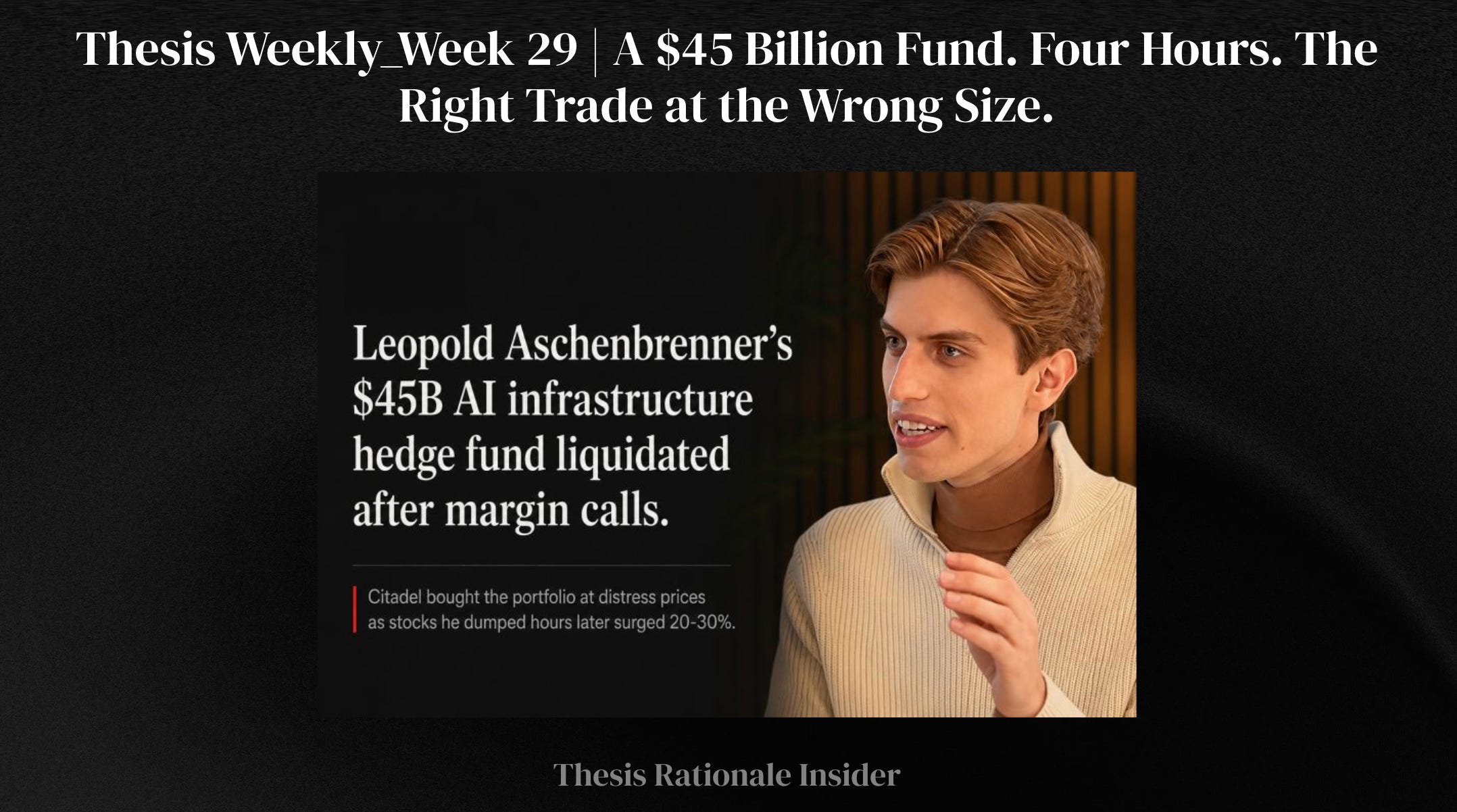
The week’s most dramatic non-earnings event was the complete collapse of Situational Awareness, the hedge fund managed by Leopold Aschenbrenner, a former OpenAI researcher who had grown the fund to nearly $45 billion in assets under management through the first half of 2026 on the strength of concentrated AI hardware positions. The fund employed approximately four times leverage on positions concentrated in SK Hynix, Micron, CoreWeave, Nebius, and other AI infrastructure names. When those names began their July correction, the leverage amplified the losses with mathematical precision. The fund lost approximately 67% in July alone. On July 24, Aschenbrenner sent investors a letter encouraging them to add to positions. Within days, JPMorgan, Bank of America, and Goldman Sachs issued margin calls. The fund’s equity positions were liquidated at a discount to Citadel and other large market participants in a single session. The Aschenbrenner episode is not primarily a story about a bad trade. It is a story about the structural danger of applying leverage to AI hardware thesis positions in a market where single-day moves of 8% to 16% in semiconductor names have become routine. The thesis may have been correct. The position sizing was the variable that determined the outcome.
Module 2: Earnings Decoder
FICO (Fair Isaac) | Q3 FY2026 | July 29, After Close | Portfolio Holding
FICO delivered non-GAAP EPS of $12.18, beating analyst estimates by 4.1%, and raised full-year guidance, though shares fell 9.33% in after-hours trading to $1,245 from the regular session close of $1,373.08.
Revenue reached $674.2 million, up 26% year-over-year, with Scores segment revenue of $458.9 million, up 41% year-over-year. Mortgage origination revenues surged 97% year-over-year, with volumes rising in the low-single digits. The revenue miss of approximately $18 million against a $679 to $692 million consensus was the primary driver of the after-hours decline.
For the first time, Platform ARR exceeded Non-Platform ARR, demonstrating that the company’s AI-native decisioning platform has reached critical mass. This is a structural milestone that the market largely ignored in the noise of the revenue miss.
The 9.33% after-hours decline requires analytical separation from the thesis. The revenue miss was real: $674 million against a $679 to $692 million range. But the miss was driven entirely by the Software segment underperforming. The Scores business, which is the thesis, delivered 41% growth with 97% mortgage revenue growth on low-single-digit volume increases. The pricing power is intact. The regulatory moat is intact. The Platform ARR milestone is structurally significant. The non-GAAP operating margin expanded to 62% from 57% a year earlier, an improvement of 479 basis points.
Full-year 2026 guidance was raised: revenue now expected at $2.53 billion, representing 20% to 27% growth, with non-GAAP net income at $979 million, up 33%.
Thesis verdict: The Scores thesis is intact and accelerating. The Software segment miss created a short-term pricing dislocation. A business with 62% non-GAAP operating margins, 97% mortgage revenue growth, and a Platform ARR milestone trading down 9% on an $18 million revenue miss is offering a re-entry point rather than a thesis breach. Monitoring variable: Software ARR acceleration in Q4 as Platform adoption compounds.
Qualcomm (QCOM) | Q3 FY2026 | July 29, After Close
Qualcomm reported $9.95 billion in revenue, beating the $9.67 billion estimate, while adjusted EPS of $2.21 fell slightly short of the $2.23 expectation. The headline miss on EPS is analytically less important than two other disclosures.
The first is the automotive segment. Automotive revenue grew 61% year-over-year in Q3, and Qualcomm raised its automotive annualized revenue run-rate outlook to approximately $7 billion exiting fiscal 2026, up from $6 billion. This is the most structurally durable revenue stream in Qualcomm’s portfolio: automotive compute content is contractually locked in years before a vehicle ships, making it immune to the smartphone inventory cycles that have dominated quarterly results.
The second is the strategic pivot CEO Cristiano Amon announced alongside the results. Qualcomm is raising prices across all products starting September 1, attributing the decision directly to the memory shortage driving up input costs. “Cost went up, prices are going to go up.” This is a notable test of Qualcomm’s pricing power with smartphone OEMs who already have few alternatives for premium Snapdragon chipsets. Non-handset revenues are now projected to grow to $40 billion by fiscal 2029, nearly double the target shared in November 2024, with data center revenue growth expected to accelerate from 24% in fiscal 2026 to greater than 60% in fiscal 2027.
The Q4 guidance of $9.7 to $10.5 billion with EPS of $2.05 to $2.25 was lighter than expected, and the stock fell after hours. Management noted that Apple revenue is expected to decline approximately 50% from September to December due to materially lower share in new iPhone launches, though this will be significantly offset by Android growth and the beginning of data center revenue ramp.
Thesis verdict: The handset business is structurally challenged in the near term. The automotive and data center pivots are real and accelerating. The price increase announcement is the most analytically interesting signal in the report: a company with genuine pricing power raises prices when costs rise. The market is not yet crediting Qualcomm for the diversification that is already in its revenue run rates.
Arm Holdings (ARM) | Q1 FY2027 | July 29, After Close
Arm reported first-quarter revenue of $1.29 billion, a 22% increase year-over-year, with adjusted EPS of $0.45 against a $0.40 consensus estimate. Royalties climbed 22% to $715 million, buoyed by data center royalties that more than doubled, and licensing fees advanced 23% to $574 million.
The data center royalties more than doubling is the single most important number in the report. ARM’s business model generates royalties on every chip shipped that uses its architecture. When data center royalties double, it means the number of Armv9-based chips entering hyperscaler deployments has reached a volume that produces meaningful recurring revenue, not just design wins. Both royalty and licensing revenues reached record first-quarter levels, driven primarily by surging demand in cloud AI infrastructure and continued adoption of Arm’s advanced Armv9 architecture and Compute Subsystem platforms.
The AGI CPU development is the longer-duration thesis. Arm projects AGI CPU revenue will reach approximately $15 billion by fiscal 2031, with cumulative customer demand already topping $2 billion, double the initial $1 billion opportunity identified. ByteDance and Oracle have begun utilizing the chip. The $25 billion total revenue target by fiscal 2031 implies the company believes it can grow total revenue approximately five times from current levels in five years.
The margin pressure is real and worth monitoring. Operating expenses rose 28% to $1.16 billion as R&D spending and headcount growth compressed operating margins to 7% from 11% a year ago. The stock dipped after hours despite the beat, reflecting the market’s concern that the investment required to pursue the $25 billion revenue vision is front-loaded while the revenue remains back-loaded.
Thesis verdict: ARM is building the foundational IP layer for the next phase of AI compute, and the data center royalty acceleration confirms the thesis is not speculative. The margin compression is a deliberate investment in the AGI CPU platform rather than a structural deterioration. The $25 billion revenue target by FY2031 is ambitious but grounded in a licensing model that is genuinely architecture-agnostic at the chip level. Not a portfolio holding, but the most structurally interesting semiconductor story of the earnings week alongside SK Hynix.
The Anthropic Accounting Theme
The week produced a pattern worth naming explicitly. Three companies, Microsoft, Amazon, and Alphabet the prior week, each reported earnings that were materially inflated by non-cash mark-to-market gains on their Anthropic investment stakes. Amazon’s $53.4 billion gain converted what would have been approximately $9 billion in net income into a reported $62.6 billion. Alphabet’s $99 billion gain the prior week produced a similar distortion. Microsoft’s $3.2 billion gain was smaller in absolute terms but followed the same structure.
The cumulative effect is that the S&P 500’s Q2 earnings season, which FactSet reported as producing a 15.7% net profit margin, a 15-year high, is substantially a reflection of a single private company’s rising implied valuation being recognized on three different public company balance sheets simultaneously. Anthropic is not yet public. Its implied value is derived from its most recent funding round. When that implied value rises, three of the most widely held stocks in the world report higher earnings without generating a single additional dollar of operating cash flow.
It means the current earnings reporting season requires more careful reading than the headlines suggest. The businesses that are genuinely compounding, AWS at 37% growth, Azure at 43% growth, Google Cloud at 82% growth, are doing so on real contracted revenue. The accounting gains sitting on top of those results are not.
Module 3: Smart Money Monitor
This module tracks the capital allocation decisions of institutional investors, sovereign wealth funds, and large fund complexes whose moves reveal structural positioning rather than short-term sentiment.
1. The Leopold Liquidation: What Three Prime Brokers Doing the Same Thing Simultaneously Means
The collapse of Situational Awareness is being covered as a story about a young fund manager who made a bad bet with too much leverage. The more analytically important read is institutional.

When JPMorgan, Bank of America, and Goldman Sachs simultaneously issue margin calls on the same fund in the same session, it means three separate prime brokerage risk desks independently concluded that the collateral supporting the fund’s positions was no longer sufficient to cover the exposure. Prime brokers do not coordinate margin calls. They make independent risk assessments using their own models. When all three arrive at the same conclusion on the same day, the underlying positions have moved so far and so fast that no risk model could justify continuing to extend credit against them.
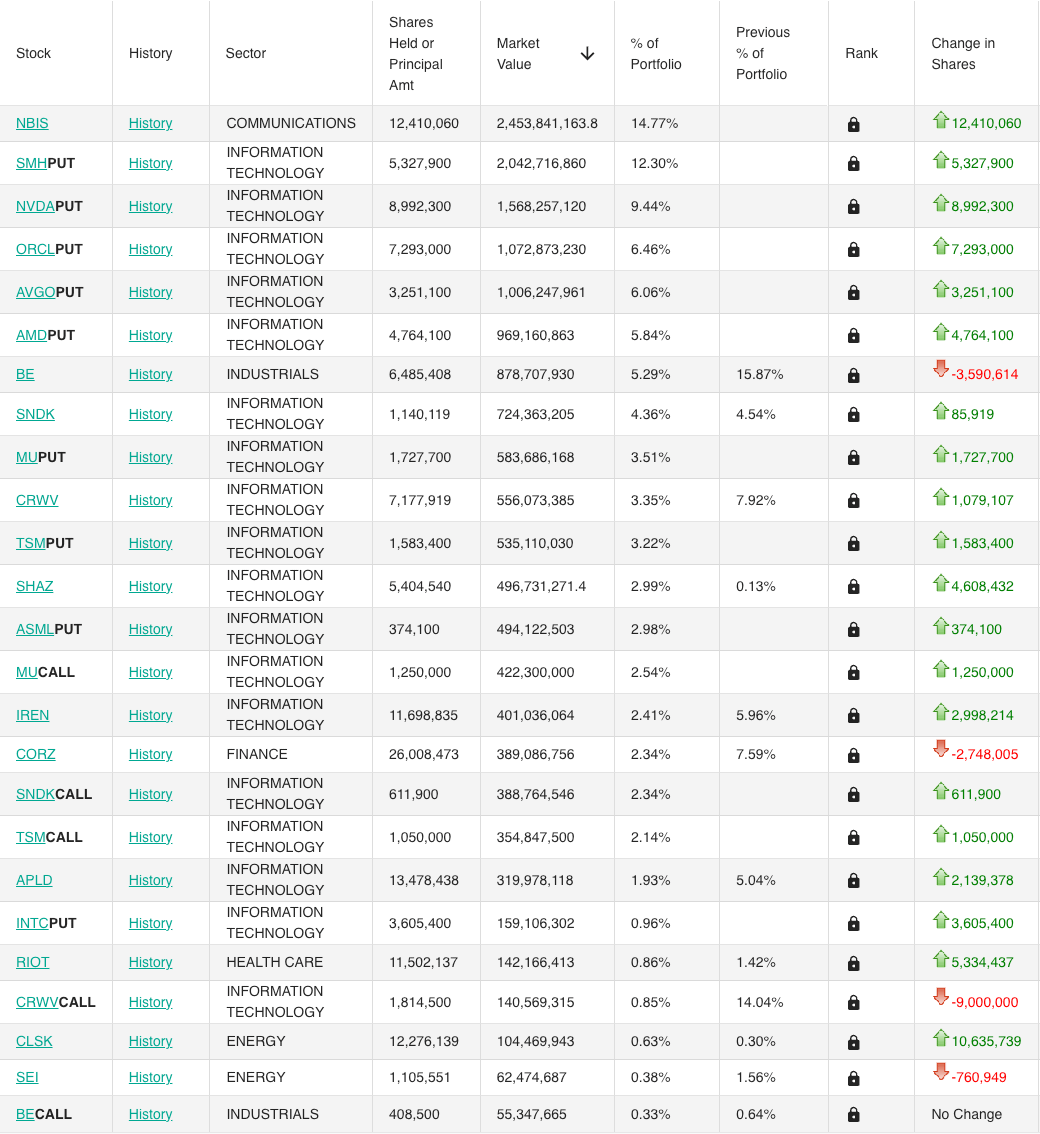
The fund’s strategy was analytically coherent: long AI hardware infrastructure, short traditional software, four times leveraged. The thesis played out correctly for the first half of 2026. The problem was not the thesis. It was the leverage applied to positions in an asset class where 8% to 16% single-day moves have become routine. At four times leverage, a 16% single-day decline in a core position produces a 64% loss on that allocation before any recovery is possible. The July chip stock rout, driven by China AI manufacturing news, produced exactly that sequence across Situational Awareness’s core holdings.
The broader institutional signal is structural. The prime brokerage community has now observed multiple AI-themed leveraged funds experiencing forced liquidations in concentrated semiconductor positions. The next tier of similar funds will face more conservative margin terms going forward, which means the marginal buyer at the AI hardware thesis trade has become less leveraged and therefore less aggressive. That removes a source of incremental demand that had been supporting semiconductor valuations above what fundamental earnings models justify.
Signal: When three prime brokers liquidate the same fund simultaneously, the episode becomes a credit tightening event for the entire leveraged AI hardware trade. The leverage that amplified Situational Awareness’s gains on the way up was providing marginal price support for the entire category. That support has now been removed.
2. FOMC 9-3 and the Bond Market’s Contrarian Read
The July 29 FOMC decision produced one of the most analytically interesting market reactions of the year. Warsh held rates at 3.50% to 3.75% with three dissents in favor of an immediate hike, described the stance as not a pause, and refused to provide any forward guidance on cuts. By every surface measure, the communication was hawkish.
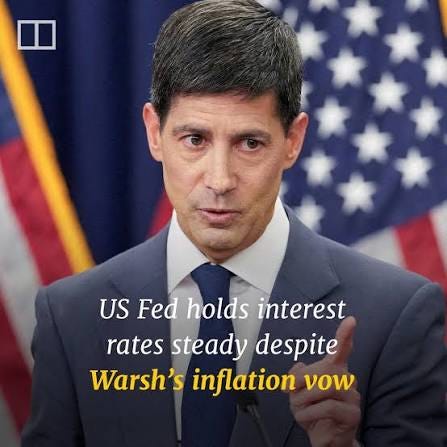
The bond market disagreed. The 10-year Treasury yield fell on the week from 4.706% to approximately 4.512%. Rate hike probabilities in CME FedWatch futures moved lower after the meeting, not higher. Institutional fixed income investors, who have the most direct financial stake in correctly pricing the Fed’s next move, interpreted Warsh’s communication as less hawkish than the headline suggested.
The analytical logic is specific. Warsh declined to provide forward guidance in either direction. A truly hawkish chair would have explicitly raised the probability of a September hike. Warsh did not. His statement that the policy stance is not a pause is technically accurate but strategically ambiguous: it neither commits to holding nor commits to hiking. Institutional investors read the ambiguity as a signal that Warsh is watching the incoming data, specifically oil prices and core PCE, before making any commitment. With WTI falling below $85 during the week on the Iran tactical pause, the inflation input that has most directly justified hawkishness is moving in the direction that reduces the probability of near-term action.
The equity market and the bond market produced opposite signals after the same FOMC meeting. Equities rallied on the mega-cap earnings beats. Bonds rallied on the dovish re-read of Warsh’s language. Both cannot be entirely correct, but the bond market’s interpretation, that the Fed is data-dependent rather than pre-committed to hiking, is structurally more consistent with how Warsh has conducted his first two meetings.
Signal: Institutional fixed income investors are pricing a Fed that is watching, not moving. The 10-year falling despite a 9-3 vote with three hike dissents is the bond market’s judgment that Warsh is more flexible than his language implies. The portfolio’s positioning, with cash above 38% and no rate-sensitive long duration exposure, is correctly calibrated for either outcome.
3. ETF Flows After Super Week: The Rotation Is Not Over
The week’s ETF flow data reveals that the mega-cap earnings beats did not reverse the sector rotation that has been building since June. Financial sector ETFs continued absorbing inflows following the historic bank earnings from two weeks prior. Healthcare ETFs maintained their trajectory. Technology ETFs received net inflows on the back of the MSFT and Amazon beats, but the composition tells a more precise story: the inflows concentrated in broad market and large-cap technology ETFs rather than in semiconductor-specific vehicles.
The SOXX, the Philadelphia Semiconductor ETF, did not benefit meaningfully from the earnings week despite Arm’s beat and Qualcomm’s revenue outperformance. The fund liquidations in AI hardware-concentrated positions created selling pressure that offset the positive earnings reads. Institutional capital is not returning to the concentrated semiconductor positions that defined the first half of 2026. It is accepting technology exposure through diversified vehicles where no single semiconductor name can produce a 16% single-day drawdown on a thesis event.
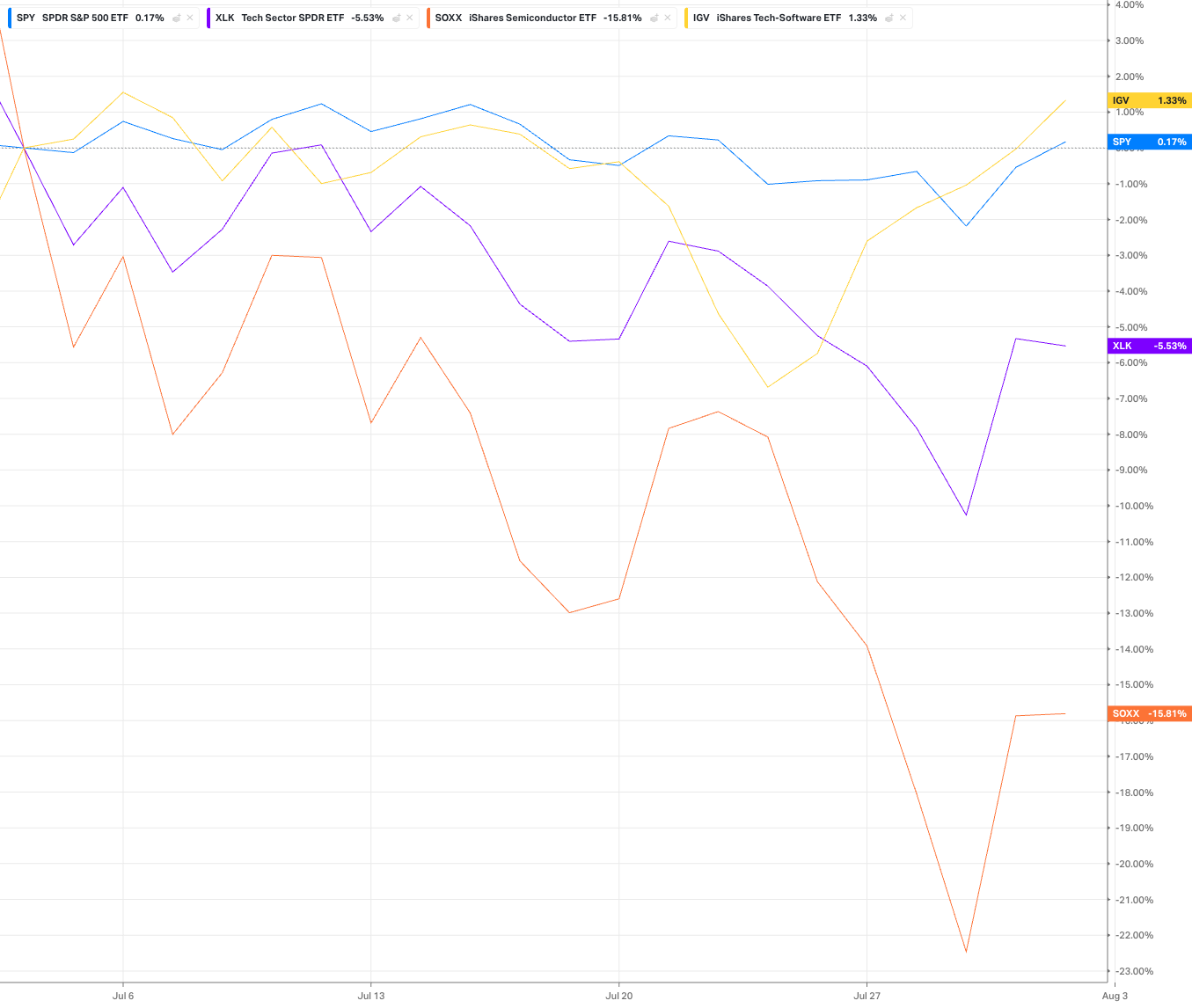
The Dow Jones Industrial Average closed the week near its all-time high while the Nasdaq recovered but did not lead. The equal-weight S&P 500 continues to track at or above its cap-weighted counterpart, which is the most persistent signal that the rotation toward broad earnings quality is institutional rather than retail-driven.
Signal: The mega-cap earnings beats slowed but did not reverse the sector rotation. Institutional capital is accepting technology exposure through diversified vehicles while avoiding the concentrated semiconductor positions that generated the most volatility. The rotation from narrative to cash flow is now four weeks old and has survived the most concentrated earnings week of the year without reversing.
4. How Institutional Models Are Adjusting
The week produced a structural analytical problem for every institutional model that uses reported GAAP earnings as an input. Three of the five largest technology companies, Microsoft, Amazon, and Alphabet the prior week, reported earnings that were materially inflated by non-cash mark-to-market gains on their Anthropic investment stakes. Amazon’s $53.4 billion Anthropic gain converted approximately $9 billion in operating net income into a reported $62.6 billion. Alphabet’s $99 billion gain the prior week produced a similar distortion. Microsoft’s $3.2 billion was smaller but structurally identical.
Institutional investors running factor models based on earnings quality scores have already made the adjustment. The most widely used institutional earnings quality frameworks strip non-operating investment gains from reported income and weight them separately from recurring operating earnings. When those frameworks are applied to the current quarter, the S&P 500’s 15.7% net profit margin that FactSet reported retreats to approximately 14.4% excluding Alphabet’s gain, and further to roughly 13.8% excluding Amazon’s gain.
The more interesting institutional question is forward-looking. Anthropic’s implied valuation, which drives the mark-to-market gains at Amazon, Microsoft, and Alphabet, will fluctuate with Anthropic’s private funding rounds. If Anthropic raises its next round at a higher valuation, all three companies report another accounting gain. If Anthropic’s implied value declines, all three take a loss. The earnings of three of the world’s most widely held stocks are now partially dependent on the private market valuation of a company that has never been profitable and does not report public financial statements.
Signal: Institutional models have adjusted for the Anthropic distortion. The earnings quality scores that drive systematic factor allocations are using operating income, not GAAP net income, as their primary input. The companies in the portfolio that generate earnings from contracts, regulatory requirements, and non-discretionary demand do not carry this accounting dependency.
Module 4: Portfolio Desk
This Week’s Focus
No position changes were made this week. The deliberate choice to hold through the most concentrated earnings week of 2026 reflects a specific analytical posture: the information required to make the next set of portfolio decisions has now arrived, and the decisions themselves belong to the following week when the dust has settled. FICO delivered a mixed quarter that requires honest assessment. MSFT delivered the strongest single-quarter thesis confirmation since initiation. Jay Adair formally assumed the CPRT CEO role on July 31. The portfolio enters August with higher conviction on several positions and an unresolved question on one.
Defensive Anchors
Rollins (ROL) | Hold | ~4.0%
No material developments. The rotation toward non-discretionary service businesses that has been building for six weeks continues to benefit the thesis environment without requiring any company-specific catalyst. Monitoring variable: Q2 organic revenue growth.
Visa (V) | Hold | ~3.0%
No material developments. The Iran tactical pause and oil price retreat are constructive for the cross-border travel recovery thesis. Monitoring variable: cross-border transaction volumes in the next quarterly disclosure.
