
Understanding Economic Moats
A Practical Framework for Identifying High-Quality Businesses


“The key to investing is not assessing how much an industry is going to affect society, or how much it will grow, but rather determining the competitive advantage of any given company and, above all, the durability of that advantage.” — Warren Buffett
In the pursuit of high-$ROIC$ and long-term compounding, we don’t just look for “great businesses”—we look for economic castles. In an era of rapid AI disruption and geopolitical shifts, the depth and durability of a company’s Economic Moat is the only true line of defense between sustainable alpha and eventual obsolescence.

In long-term investing, growth attracts attention, but durability creates wealth.
A company may grow rapidly for several years. However, if competitors can replicate its model, compress margins, or capture market share, excess returns will eventually disappear.
This is why serious investors focus not only on growth, but on moats.
A moat is a structural competitive advantage that protects a company’s economic profits over time. It allows a firm to earn returns above its cost of capital for extended periods.
In educational terms, you can think of a moat as the mechanism that protects compounding.
If you haven’t explored our previous research, you may revisit some of our earlier due diligence reports and thematic notes below. Each piece reflects the same thesis-driven framework we apply across every investment case.


For a closer look at how these principles translate into real positions, explore the 👉 Sample Portfolio — a demonstration of thesis-driven allocation and disciplined compounding.
Outline:
Introduction
Why durability matters more than growth.
What Is a Moat
Structural advantage that protects excess returns.
The Six Types
Network effects
Switching costs
Cost advantages
Intangible assets
Efficient scale
Data and ecosystems
Common Mistakes
Growth ≠ moat
Size ≠ protection
Technology ≠ durability
Why Moats Matter
Moats sustain high returns on capital over time.
How to Identify Them
ROIC durability
Margin superiority
Retention and pricing power
Barriers to entry
Growth vs Moat
Growth without protection is fragile.
Moat plus reinvestment compounds.
Conclusion
Compounding depends on protection, not popularity.
I. The Main Types of Moats
Moats generally fall into six core categories. Each one operates differently, and each requires different analytical tools.
1. Network Effects
A network effect exists when the value of a product or service increases as more participants join the system. Each additional user enhances the utility of the network for existing users. Unlike linear business models, where growth merely increases revenue, network-based businesses experience internal reinforcement. Growth strengthens the product itself.
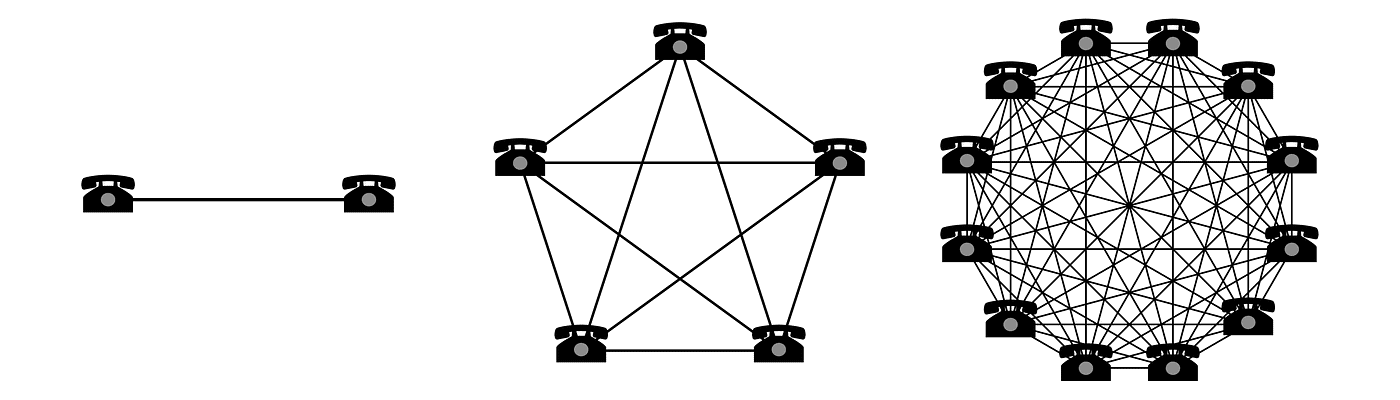
This dynamic creates structural defensibility. Once a platform reaches critical mass, competitors must replicate not only product functionality but also user density, transaction liquidity, and accumulated interactions. In strong network systems, scale becomes a barrier rather than just an advantage.
Payment networks illustrate this clearly. Visa and Mastercard operate two-sided ecosystems:
Merchants accept the network because consumers carry the cards
Consumers carry the cards because merchants accept them
Each new participant reinforces both sides of the system. Displacement requires simultaneous reconstruction of the ecosystem, which is economically difficult.
Marketplaces follow similar logic. On Amazon’s marketplace:
More sellers increase product selection and pricing competition
More buyers increase sales opportunities for sellers
This feedback loop deepens liquidity and improves value for all participants.
Ride-sharing platforms demonstrate localized network effects:
More drivers reduce wait times for riders
More riders improve earning potential for drivers
Density improves service quality, reinforcing usage.
Social platforms represent behavioral network effects. As more connections accumulate within the network, social capital becomes embedded. Leaving the platform may mean losing accumulated relationships, not just changing software.
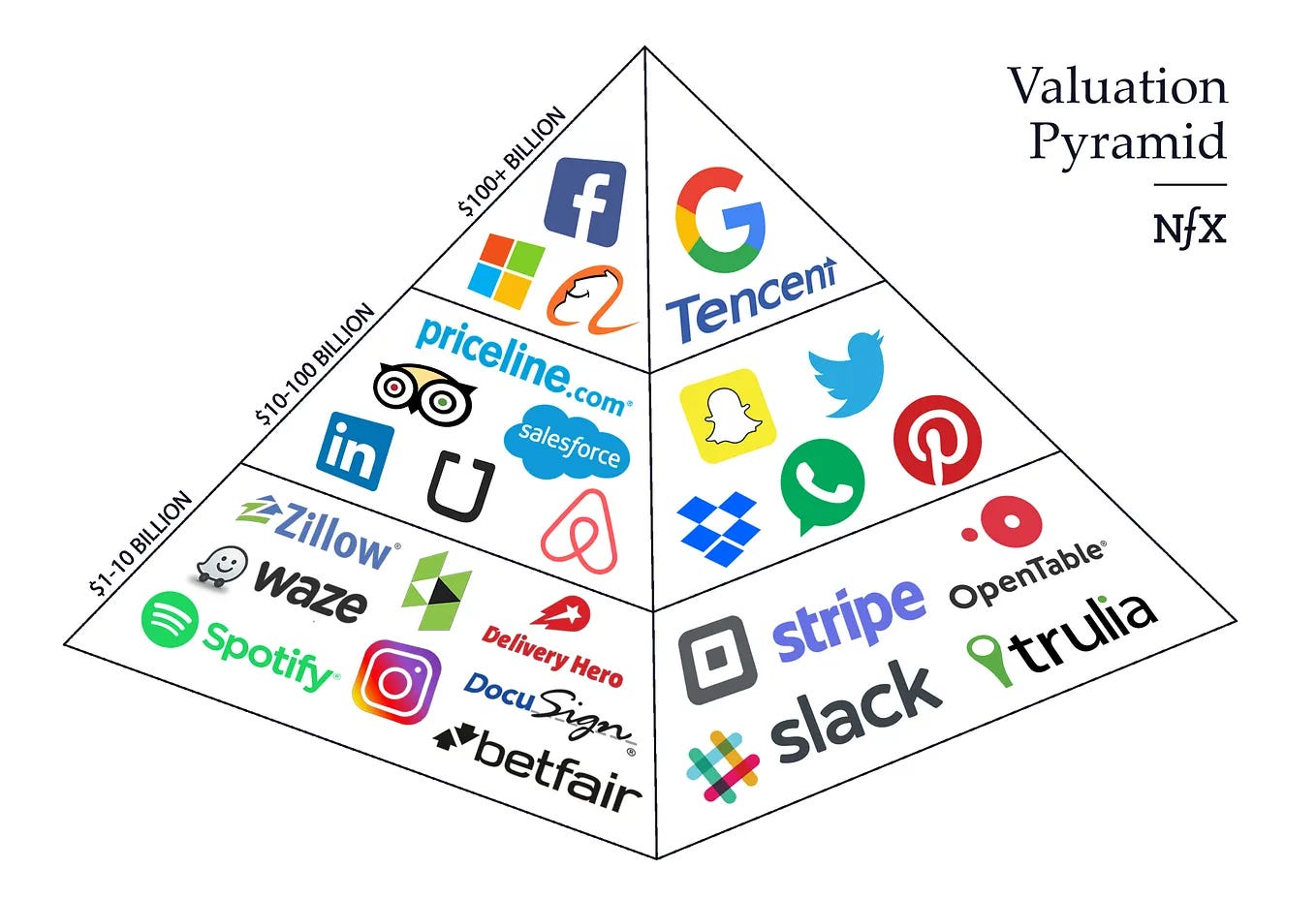
However, user growth alone does not confirm a network effect. A genuine network effect should demonstrate that increased participation improves value per user. Indicators include:
Retention improves as the network grows
Engagement deepens with scale
Competitors struggle despite similar product features
Multi-homing becomes inconvenient or costly
Network effects vary in strength. Strong network effects tend to exhibit:
Two-sided or multi-sided interaction
High participation density requirements
Low ease of multi-homing
Increasing returns to scale
Weaker network effects occur when users can easily operate across competing platforms without friction.
The key educational insight is this: Network effects create internal compounding. Growth strengthens competitive advantage. But durability depends on exclusivity, switching friction, and whether scale truly increases value rather than simply expanding user count.
2. Switching Costs
Switching costs exist when customers face meaningful friction, financial, operational, technical, or psychological, in moving from one provider to another. The product itself may not be irreplaceable, but the cost of transition makes replacement unattractive.
Unlike network effects, which strengthen as scale grows, switching cost moats are rooted in entrenchment. The business becomes embedded inside the customer’s operations, processes, or infrastructure.
This matters because recurring revenue durability often depends less on customer enthusiasm and more on customer inertia. When switching is expensive, disruptive, or risky, customers stay. Revenue becomes predictable, margins stabilize, and competitive pressure weakens.

Switching costs are common in enterprise and infrastructure environments where disruption carries material risk. Typical examples include:
Enterprise SaaS platforms integrated across departments
ERP systems that manage accounting, supply chains, and reporting
CRM platforms that store years of customer interaction history
Core banking and financial infrastructure systems
In these cases, replacing the provider may require:
Data migration
Employee retraining
Workflow redesign
Compliance risk reassessment
Temporary productivity loss
Even if a competitor offers marginally better features, the transition cost can outweigh the incremental benefit.
To detect true switching cost moats, investors should look for structural evidence rather than marketing claims. Indicators include:
High net revenue retention, particularly above 110%
Long contract durations and multi-year renewals
Deep integration into mission-critical workflows
Low customer churn across economic cycles
Expansion revenue within existing accounts
The strongest switching cost moats often emerge when the product becomes a system of record. Once a platform holds historical data, transaction records, or regulatory documentation, abandoning it becomes operationally risky.
However, switching costs are not invincible. They weaken when:
New technology reduces migration complexity
Open standards improve interoperability
Regulatory changes require platform updates
Customers consolidate vendors
The educational insight is this:
Switching costs do not prevent competition from entering a market. They prevent customers from leaving once embedded. That distinction is critical. A company may face intense competition for new accounts, but once acquired, those customers can remain locked in for years.

Another clear example of high switching costs is Microsoft 365. For many organizations, Microsoft 365 is deeply embedded into daily operations, including email through Outlook, document collaboration via Word and Excel, cloud storage through OneDrive, and internal communication through Teams. Over time, companies build shared document ecosystems, integrate third-party applications, and structure workflows around Microsoft’s environment. Migrating away would require transferring vast amounts of data, retraining employees, reconfiguring IT systems, and risking temporary productivity disruption. Even if alternative productivity suites offer competitive pricing or features, the operational friction of switching is substantial. This deep integration and workflow dependency create durable customer retention, reinforcing Microsoft 365’s strong switching cost moat.
For long-term investors, switching cost moats often provide steady compounding. They may not generate explosive growth, but they create predictable revenue streams that allow disciplined reinvestment and margin stability over time.
3. Cost Advantages
A cost advantage exists when a company can operate at structurally lower cost than its competitors while offering comparable products or services. The key word is structural. Temporary cost savings are not a moat. A true cost advantage is embedded in the economics of the business model and difficult to replicate.
Cost advantages often emerge from scale, operational design, or supply chain positioning. Common structural sources include:
Economies of scale that reduce per-unit fixed costs
Superior operational efficiency built through process discipline
Supply chain leverage that secures better input pricing
Process optimization and automation that lower labor intensity
In industries where products are largely commoditized, price becomes the primary competitive lever. Companies with a cost advantage can either underprice competitors while preserving margins, or match competitor pricing and earn higher profitability. This flexibility creates resilience across cycles.
Retail provides a classic example. Costco operates with a low markup model but benefits from scale purchasing power, inventory discipline, and high inventory turnover. These structural efficiencies allow it to sustain low prices while maintaining profitability. Smaller competitors struggle to match its pricing without sacrificing margins.

Another example can be found in industrial manufacturing, where large-scale operators benefit from procurement advantages and fixed cost absorption that smaller peers cannot replicate.
To detect a genuine cost advantage moat, investors should look beyond headline margins and examine comparative economics. Indicators include:
Consistently higher operating margins relative to industry peers
Ability to maintain profitability during price competition
Stable or increasing market share in commoditized industries
Cost ratios that remain structurally lower over full economic cycles
It is important to distinguish between cost advantage and temporary margin expansion. A business may enjoy high margins during favorable demand conditions, but if competitors can quickly match production costs, the advantage is not structural.
Cost advantage moats are particularly powerful in industries where pricing competition is intense and differentiation is limited. In such environments, the lowest-cost producer often becomes the long-term survivor. Over time, weaker competitors either consolidate, exit, or accept lower returns.
The educational insight is this: cost advantage moats do not rely on customer loyalty or technological differentiation. They rely on economic superiority. When properly established, they create durability through efficiency rather than exclusivity.
4. Intangible Assets
An intangible asset moat exists when non-physical assets allow a company to protect profitability and deter competition. Unlike cost advantages or network effects, intangible moats rely on perception, legal protection, or embedded intellectual capital rather than operational scale.

These assets may not appear on a balance sheet at full economic value, but they influence pricing power and competitive positioning.
Common forms of intangible moats include:
Strong consumer or enterprise brand
Patents that legally restrict competition
Regulatory licenses that limit market entry
Proprietary intellectual property or know-how
Each operates differently. Brand influences customer preference. Patents create temporary exclusivity. Regulatory licenses restrict supply. Intellectual property embeds technical advantage.
Brand is often the most visible intangible moat, but also the most misunderstood. A brand becomes a moat only when it creates measurable economic outcomes. Indicators of a genuine brand-based moat include:
Ability to raise prices without losing volume
Sustained premium positioning relative to peers
Customer willingness to substitute cheaper alternatives only at significant value loss
Consistent gross margin superiority driven by brand strength
Luxury goods companies offer a classic example. When consumers pay materially higher prices for products with similar functional characteristics, the premium reflects perceived value rather than cost structure.
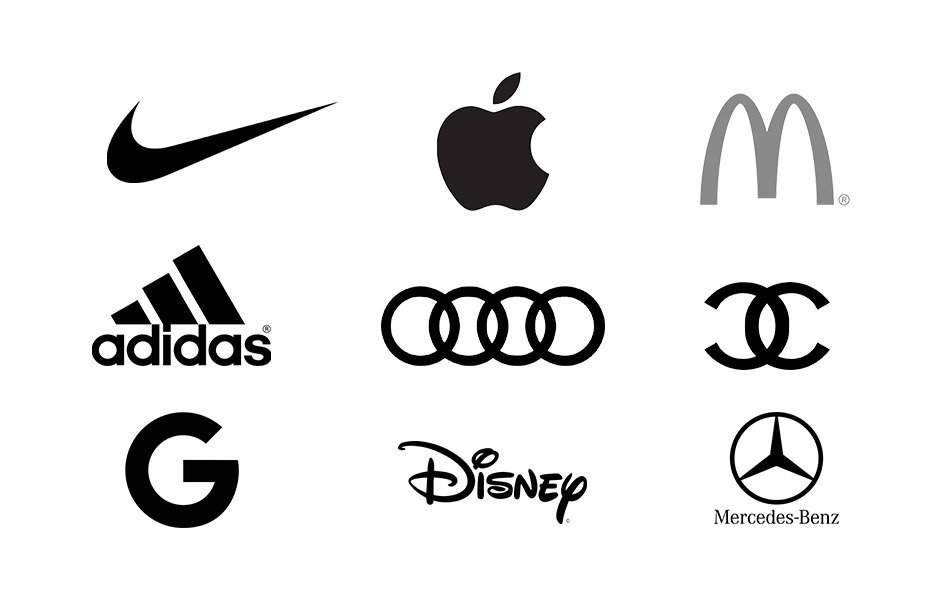
Patents represent another form of intangible protection, particularly in pharmaceuticals and advanced technology. Legal exclusivity allows companies to earn elevated returns until protection expires. However, patent-based moats are time-bound and require ongoing innovation to sustain.
Regulatory licenses can create structural barriers in industries such as financial services, healthcare, or utilities. When approval processes are lengthy and capital-intensive, new entrants face substantial friction.
To detect an authentic intangible moat, investors should examine:
Evidence of pricing power over multiple economic cycles
Legal or regulatory exclusivity that constrains competition
Gross margin durability despite competitive pressure
Brand equity that translates into repeat purchasing behavior
It is important to distinguish between brand recognition and brand power. Recognition is awareness. Power is pricing authority. Only the latter creates a moat.
The educational insight is this: intangible moats are strongest when they influence decision-making at the point of purchase. If customers choose a product because they perceive superior value, status, safety, or trust, the moat becomes behavioral as well as economic. If brand merely drives awareness but not pricing leverage, it does not create durable advantage.
Intangible assets can be powerful, but they require continuous reinforcement. Brand erosion, patent expiration, or regulatory change can weaken protection. Unlike network effects, which compound internally, intangible moats depend on sustained perception and stewardship.
5. Efficient Scale
An efficient scale moat exists when a market is too small, too specialized, or too capital-intensive to support multiple competitors profitably. In such environments, the presence of additional entrants would reduce returns for all participants, making entry economically irrational.
Unlike network effects, which strengthen with expansion, efficient scale moats are rooted in structural equilibrium. The market naturally stabilizes around a limited number of players because excess competition destroys economic value.
Efficient scale is most common in industries where fixed costs are high and demand is relatively stable. Typical examples include:
Utilities providing electricity, water, or gas
Infrastructure assets such as pipelines, railroads, and airports
Specialized industrial niches with limited addressable markets
In these cases, the economics favor consolidation rather than fragmentation. If too many firms compete, prices fall and capital returns decline below sustainable levels. As a result, rational competitors often avoid entering, preserving the existing structure.
To detect an efficient scale moat, investors should look for structural signals rather than growth narratives. Indicators include:
A limited number of competitors operating sustainably
Stable market shares over long periods
High capital intensity that discourages new entrants
Regulatory frameworks that limit duplication of infrastructure
Returns that remain above cost of capital without rapid expansion
Railroads in North America provide a classic illustration. The infrastructure required to build parallel rail networks is prohibitively expensive, and duplicating routes would dilute returns for all operators. As a result, the industry has consolidated into a small number of dominant players.

The educational insight is that efficient scale moats tend to produce stability rather than rapid growth. These businesses often generate predictable cash flows and moderate but consistent returns. They may not deliver explosive expansion, but they offer durability and resilience.
Efficient scale should not be confused with monopoly. A monopoly may exist due to legal exclusivity, whereas efficient scale arises from economic logic. The market structure discourages new entrants because the opportunity is not large enough to justify additional capacity.
For long-term investors, efficient scale businesses can serve as portfolio stabilizers. Their moat is not built on innovation or branding, but on rational industry structure. Growth may be modest, but predictability and capital discipline often define their appeal.
6. Data and Ecosystem Moats
A data and ecosystem moat exists when proprietary data, accumulated over time, enhances product performance and strengthens integration across a broader system of services. Unlike traditional moats rooted in cost or scale, this advantage compounds through information accumulation and workflow entrenchment.
Data alone is not a moat. Information becomes defensible only when it is exclusive, cumulative, and structurally embedded within decision-making processes.
The strength of this moat comes from two reinforcing dynamics: performance improvement and ecosystem integration.
As data accumulates, algorithms improve. As algorithms improve, product value increases. As product value increases, usage deepens. This feedback loop creates a self-reinforcing system.
At the same time, ecosystem integration increases dependency. When multiple services, tools, or platforms are interconnected, the cost of leaving the ecosystem rises.
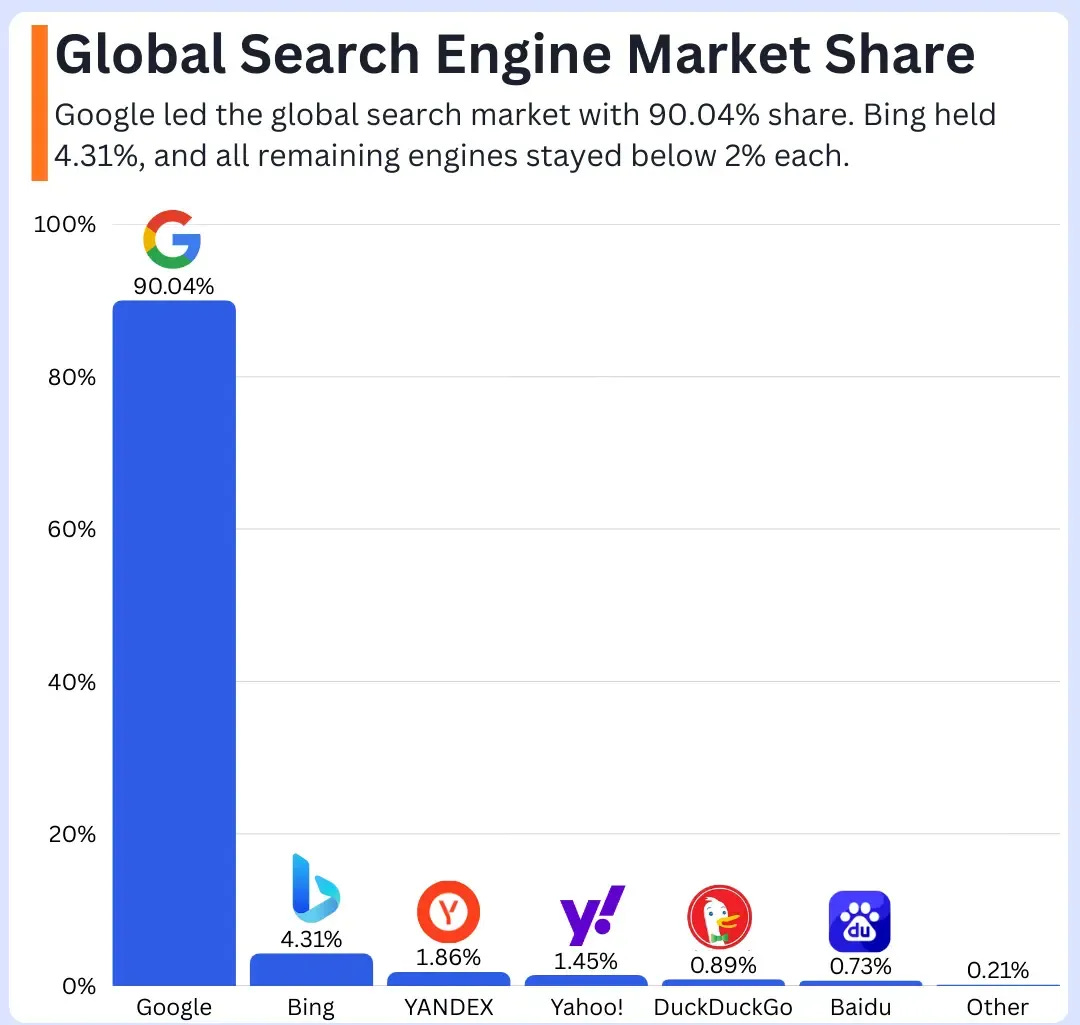
Examples include:
Google Search, where query data continuously improves ranking algorithms
Bloomberg Terminal, where proprietary financial datasets and analytics are deeply embedded in institutional workflows
Amazon’s recommendation engine, which improves through transaction history and behavioral tracking
Apple’s ecosystem, where hardware, software, and services reinforce one another
To detect a genuine data and ecosystem moat, investors should examine structural signals rather than technological branding. Indicators include:
Product performance measurably improves with accumulated data
Data is proprietary rather than publicly replicable
Closed-loop systems where usage feeds future improvement
High integration across services within the same ecosystem
Customer workflows that span multiple interconnected products
It is critical to distinguish between access to data and ownership of data. If competitors can easily access similar datasets, the moat weakens. If customers can export data without friction, switching costs decline.
The educational insight is this: data becomes a moat only when it is exclusive, cumulative, and deeply embedded in operational workflows. Data that merely exists does not protect profits. Data that improves performance and increases integration can.
Data moats are strongest when combined with switching costs or network effects. On their own, they can be fragile if technological advances reduce replication barriers.
In modern digital markets, ecosystem strength often matters more than raw data volume. When products interlock, identity systems unify access, and services reinforce each other, competitive displacement becomes progressively harder.
Common Misconceptions About Moats
Understanding moats requires more than identifying strengths. It requires intellectual discipline. Many investors confuse temporary advantages with structural protection, which leads to overestimating durability and overpaying for growth that cannot sustain excess returns.
Below are the most common misjudgments.
1. High Growth Equals a Moat
Rapid revenue growth does not imply competitive protection. Growth may reflect favorable industry cycles, early adoption phases, or aggressive pricing rather than structural advantage. A company can expand quickly before competition intensifies.
The real question is not how fast revenue grows, but why competitors cannot replicate the economics. Growth measures momentum. A moat measures durability.
2. Large Market Share Equals Defensibility
Dominance today does not guarantee protection tomorrow. Market share can result from first-mover positioning, capital access, or temporary technological leadership. Unless that position is reinforced by switching costs, network effects, cost advantages, or regulation, it can erode.
Size is not protection. Structural barriers are.
3. Technological Superiority Equals a Moat
Technology is often mistaken for structural advantage. In fast-moving industries, innovation cycles are short and knowledge diffuses rapidly. Without embedded switching costs, ecosystem integration, or proprietary data, technological leadership alone is rarely durable.
Technology is tactical. Moat is structural.
4. Brand Recognition Equals Brand Power
Recognition creates awareness. A moat requires pricing authority. A true brand moat exists only when customers are willing to pay a sustained premium or when substitution meaningfully reduces perceived value.
If premium margins cannot be defended during downturns, brand functions as marketing expense rather than competitive protection.
5. Data Volume Equals Data Moat
In the AI era, data is frequently overstated as a moat. Large datasets alone do not create defensibility. Data becomes structural only when it is proprietary, cumulative, and deeply embedded in workflows that improve performance over time.
If competitors can access similar data or customers can easily migrate information, the advantage weakens quickly.
6. Regulation Automatically Protects Incumbents
Regulation can create barriers, but it can also dismantle them. Licensing requirements may restrict entry, yet regulatory shifts, antitrust enforcement, or policy changes can erode structural advantages.
A moat dependent solely on regulation carries political risk.
7. Moats Are Permanent
The most dangerous misconception is assuming durability equals permanence. Competitive advantages decay when technology shifts, consumer behavior evolves, platforms migrate, or management misallocates capital.
A moat is not a permanent label. It is a probabilistic assessment of how long excess returns can persist.
II. Why Moats Are Important in Investing
Moats matter because they determine whether excess returns persist or fade.
In economic theory:
Competition → Capital inflow → Margin compression → Returns converge toward cost of capital.
In efficient markets, abnormal profits attract competition. Over time, pricing power erodes and returns normalize.
A moat interrupts this convergence.
It allows a company to sustain returns on invested capital above its cost of capital for extended periods. That duration is what ultimately drives long-term equity performance.
From an investing standpoint, the implications are structural:
No moat → Temporary growth → Returns normalize
Weak moat → Cyclical profitability → Earnings volatility
Strong moat → Durable excess returns → Long-term compounding
The difference is not growth rate alone. It is the persistence of elevated returns.
Moats allow companies to:
Maintain pricing power without sacrificing demand
Reinvest incremental capital at high returns
Resist competitive disruption
Produce consistent and growing free cash flow
When high return on capital combines with reinvestment opportunity, value compounds geometrically.
Return on capital × Duration of reinvestment → Wealth creation.
Over long horizons, shareholder outcomes are driven far more by sustained economic advantages than by short-term multiple expansion. Markets may re-rate companies temporarily, but only durable economics generate structural compounding.
In this sense, moat analysis is not narrative-driven. It is duration analysis.
The central question becomes: How long can this company defend excess returns before competitive forces reassert themselves?
That duration defines intrinsic value far more than quarterly growth rates.
III. How to Use Moats to Identify High-Quality Companies
This is where moat analysis becomes practical.
The wrong question is: Is this company growing fast?
The better question is: Why can this company continue earning excess returns?
Moat analysis is ultimately about understanding the structural drivers of sustained return on capital. Below is a disciplined framework to apply.
Step 1: Examine Return on Invested Capital
Start with economics, not narrative.
Sustained high Return on Invested Capital across a full economic cycle is one of the clearest indicators of competitive advantage. Temporary spikes in ROIC can occur during favorable conditions, but durability is what matters.
